At KIST, we believe that learning is not just about acquiring knowledge, it's about using that knowledge to make a difference. In the IB Primary Years Programme
(PYP), this philosophy comes to life through student action. Action is what happens when students take their learning beyond the classroom and apply it in meaningful ways. It can be as simple as a change in personal behavior or as collaborative as a community initiative. But most importantly, it is authentic, student- initiated, and connected to their learning.
What is action in the PYP?
Action in the PYP is not a one-size-fits-all concept. It can take many forms:
- Personal: A child decides to organize their study space to help them focus better.
- Home-based: A family starts a weekly storytelling night to share cultural tales.
- School-based: Students create a quiet corner in the classroom for mindfulness.
- Community-based: A class collaborates with a local library to promote reading.
These actions stem from inquiry-based learning and are often inspired by the Units of Inquiry students explore throughout the year. Each unit is designed to spark curiosity, deepen understanding, and encourage students to reflect on their role in the world.
Why is action important?
Action helps students develop a sense of agency—the belief that they can influence their environment and contribute to positive change. It nurtures attributes of the IB Learner Profile such as being caring, principled, and reflective. It also reinforces key concepts like responsibility, connection, and change.
But action is not just about doing something big. In fact, we encourage small, personal, and sustained actions over one-time events. A fundraiser may raise money, but a child who consistently chooses to help a classmate with reading is making a long-term impact.
Home-school partnerships: Making action authentic
While we can create opportunities for action at school, the most powerful and lasting actions often happen when home and school work together. Parents play a crucial role in helping children recognize opportunities for action in their daily lives and supporting them in following through. Here are some ways families can support action at home:
- Talk about the unit themes and ask your child what they’re learning.
- Encourage reflection: “What could we do differently based on what you’ve learned?”
- Celebrate small changes: A child choosing to organize their homework time deserves recognition.
- Model action: Show your child how you make responsible choices in your own life.
Grade-level examples of action at KIST
Let’s look at how action connects to learning across different grade levels, using examples from our 2025– 26 Programme of Inquiry:
K1—Who We Are
Unit focus: People who help us
Action example: After learning about community helpers, a child creates a thank-you card for the school nurse and delivers it with a smile. This small act of appreciation builds empathy and awareness of others’
roles.
K2—How We Express Ourselves
Unit focus: Storytelling
Action example: A student records their own story and shares it with younger students during library time. This promotes confidence, creativity, and a sense of contribution to the school community.
K3—Who We Are
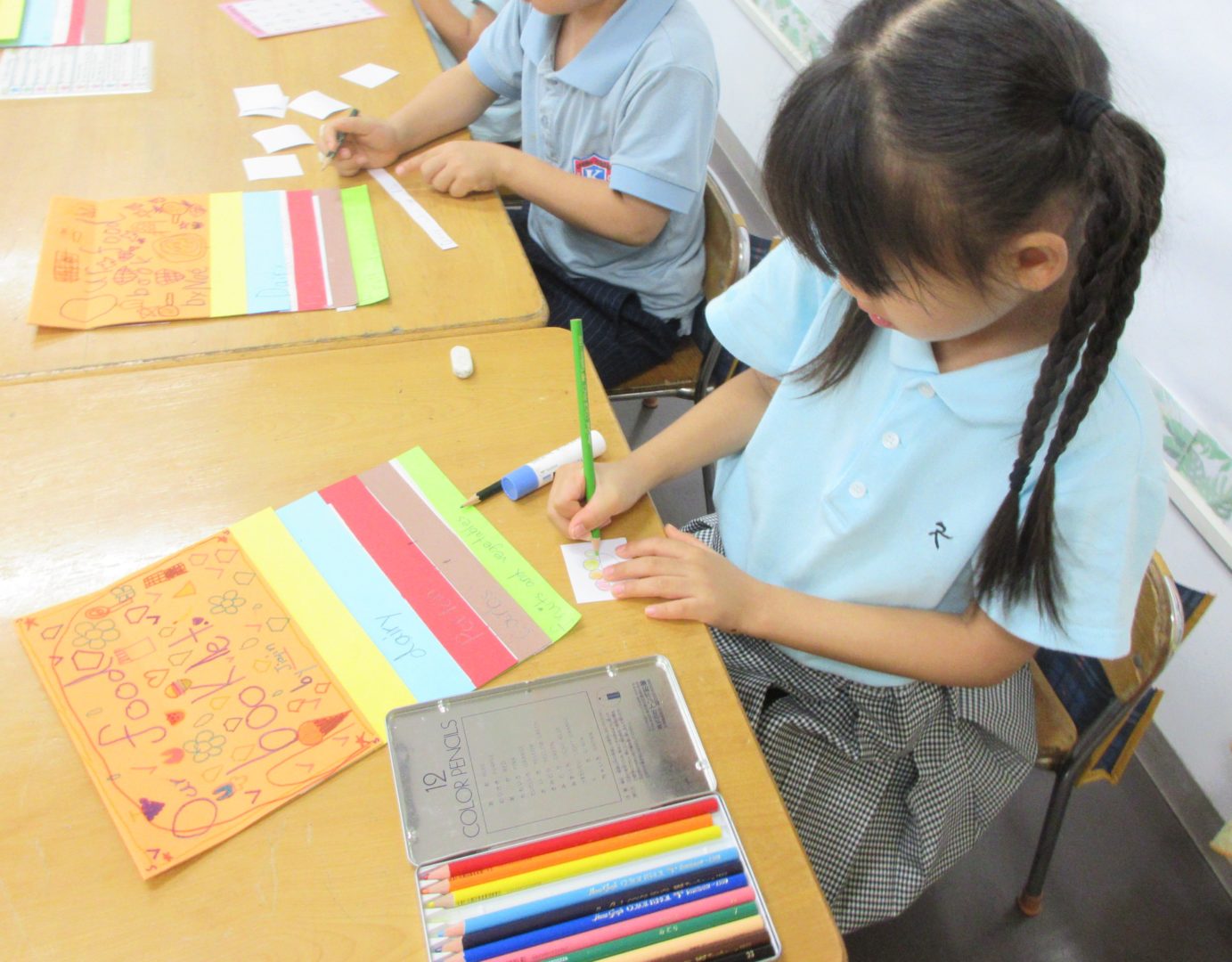
Unit focus: Food
Action example: A student creates a healthy eating guide for their family, including a weekly meal planner and snack suggestions. This action supports well-being and encourages informed choices at home.
Grade 1—Who We Are
Unit focus: Relationships
Action example: Students create a “Friendship Toolkit”
with strategies for resolving conflicts and showing kindness. They use it in class and share it with peers, promoting social harmony and emotional intelligence.
Grade 2—Who We Are
Unit focus: Role Models
Action example: Inspired by learning about role models, a student writes a letter to a family member who inspires them and shares it during morning meeting. This builds appreciation and personal reflection.
Grade 3—How We Express Ourselves
Unit focus: Personal Identity
Action example: Students create a “Me Museum” with artifacts and stories that represent who they are. They invite classmates and parents to visit, fostering self- awareness and mutual respect.
Grade 4—How We Organize Ourselves
Unit focus: Systems of Government
Action example: Students set up a classroom government with roles and responsibilities. They hold weekly meetings to discuss improvements, practicing collaboration and civic responsibility.
Grade 5—Who We Are
Unit focus: Changes
Action example: Students create a “Transition Toolkit”
for moving to LSP, including tips, checklists, and reflections. They present it to younger students, supporting others through change and demonstrating leadership.
How students can record their action
To help students reflect and share their journey, we encourage creative documentation:
- Action journals: Write about what they did and why it mattered.
- Photo diaries: Capture moments of change.
- Before-and-after charts: Track progress over time.
- Presentations: Share with peers or family.
- Podcasts or blogs: Spread awareness digitally.
- Infographics: Visualize impact.
Avoiding common pitfalls
We’ve learned that not all action is equally meaningful. Here are some things to watch out for:
- Bigger isn’t always better: Small, consistent actions often have more impact than large, one-off events.
- Charity vs. Change: Donating is great, but understanding the issue and advocating for solutions is even better.
- Student-led is key: Action should come from student interest, not just teacher direction.
- Ongoing commitment matters: One-time actions are a start, but habits create real change.
- Reflection is part of action: Thinking differently is just as powerful as doing something.
Final thoughts
At KIST, we are committed to nurturing students who are not only knowledgeable but also compassionate changemakers. Action is the bridge between learning and living. With your support at home, we can help students take that first step—and keep walking.
Let’s work together to make action authentic, personal, and lasting.